
Washington Lets Fight Back
Trump deploys 800 National Guard troops to Washington

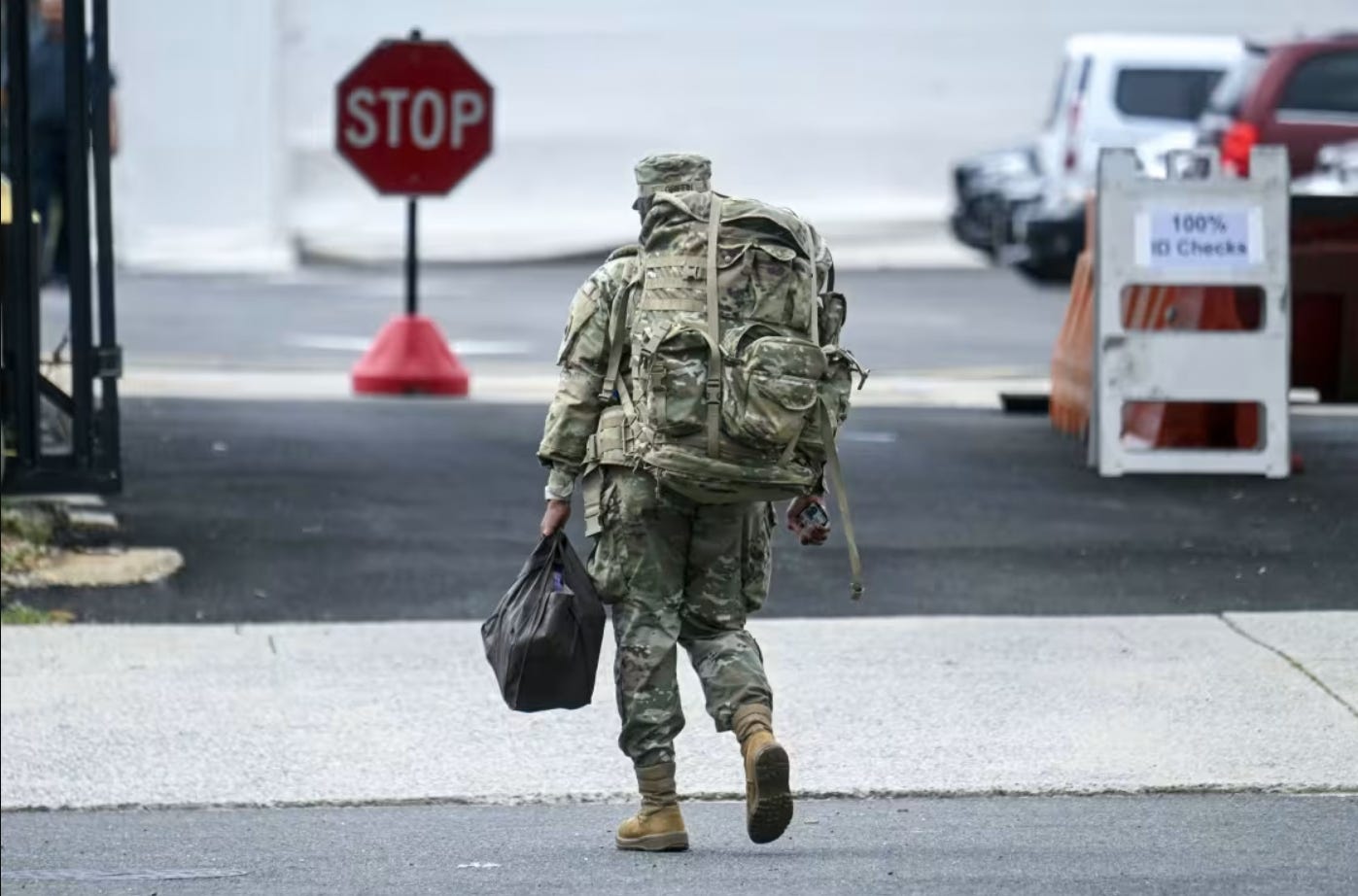
Trump’s recent decision to deploy 800 National Guard troops to Washington, D.C., and federalize the city’s police department is being framed as a bold crackdown on crime. In reality, it feels like a politically charged overreach—more focused on optics than on real solutions. Announced just yesterday, the plan positions troops and federal officers on the streets in what’s being sold as a restoration of order. But when placed in context, it’s a costly, disruptive move that diverts attention from far more urgent national issues.
The data tells a different story than the alarmist language used to justify this deployment. While it’s true violent crime in D.C. rose in recent years, 2025 has seen a measurable decline. Homicides are down from their peak, and overall crime rates are trending lower—not the apocalyptic emergency the administration describes. The imagery of troops “watching the streets” and dismantling homeless encampments may play well in soundbites, but it sidesteps the deeper causes of crime: poverty, housing insecurity, and lack of mental health resources. These challenges aren’t solved by military patrols; they require sustained investment in community support systems.
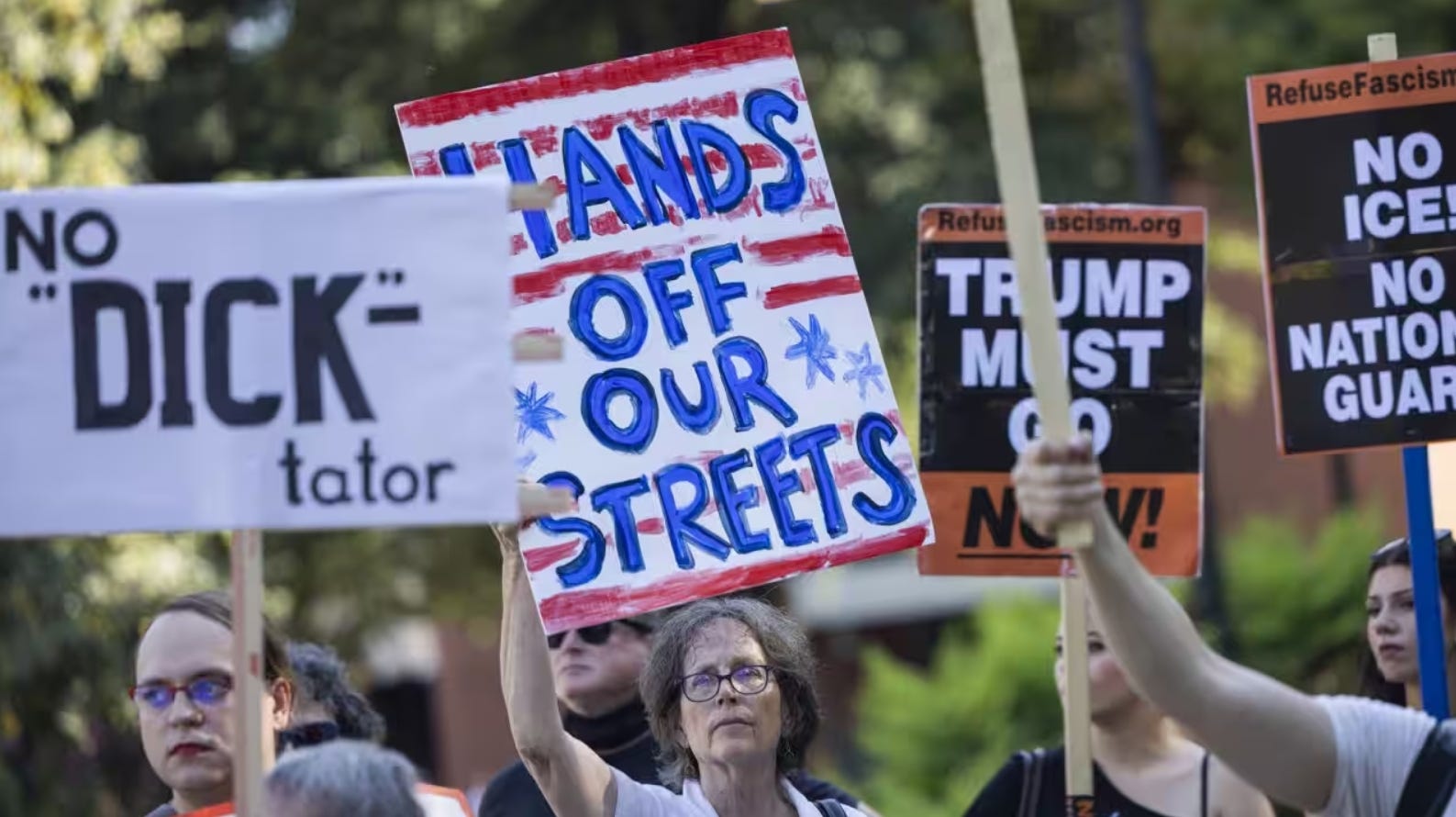
The cost of this move is far from symbolic. Activating 800 National Guard members involves extensive logistics—training, housing, equipment, and ongoing operational expenses. While no official price tag has been released, comparable deployments have run into the millions. Add in the unprecedented federal takeover of the Metropolitan Police Department, placing local law enforcement under direct White House control, and you have a substantial taxpayer burden. As D.C. Mayor Muriel Bowser put it, the move is “unsettling,” not only because it undermines local governance, but because it lacks a clear, evidence-based objective.

Meanwhile, pressing national concerns continue to mount. Inflation is still straining household budgets. Housing costs remain at crisis levels, pushing homeownership further out of reach for younger Americans. Healthcare expenses keep climbing, leaving millions underinsured. On a broader scale, climate change is fueling destructive wildfires, hurricanes, and heatwaves, calling for urgent federal action. Globally, conflicts in regions like the Middle East and Ukraine demand measured diplomacy—not domestic military posturing.
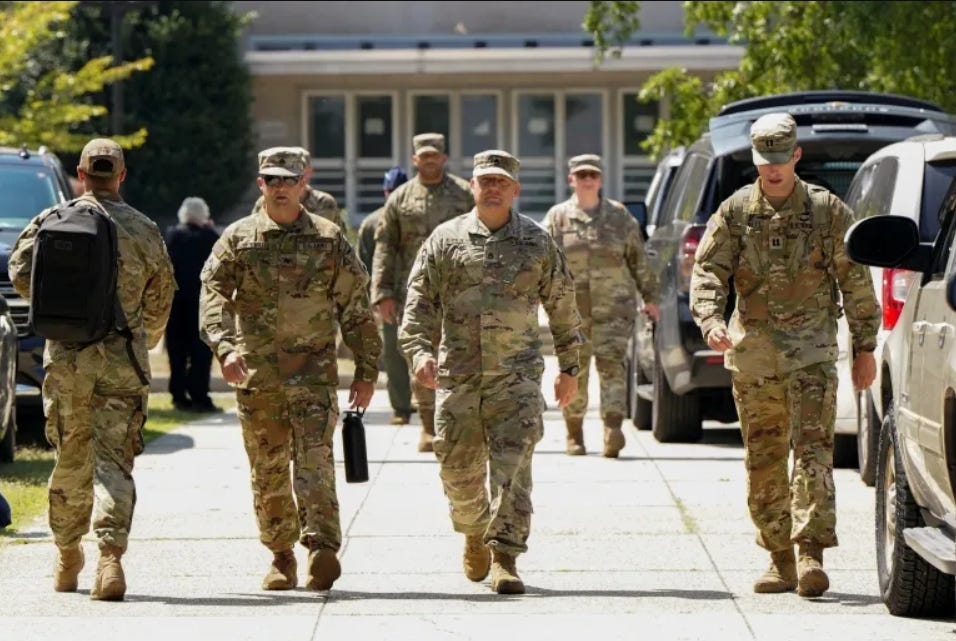
D.C.’s unique status as a federal district makes it vulnerable to this kind of intervention, but that doesn’t make it right. Militarizing its streets blurs the line between civilian policing and military force, setting a troubling precedent for how power can be applied in domestic affairs. The lessons of January 6, 2021—when the National Guard response was delayed amid confusion—should caution against using these forces as tools for political theater. Their primary role is to respond to genuine emergencies, not to serve as a backdrop for a crime-control narrative.
Leadership should focus on strategies that address the root causes of societal challenges, not on staged displays of authority. This deployment prioritizes spectacle over substance, consuming resources that could instead be directed toward education reform, job creation, and community-based policing. If the goal is safer streets, the path forward lies in prevention and support—not in turning the nation’s capital into a militarized zone. D.C. residents deserve policies grounded in solutions, and so does the rest of the country.